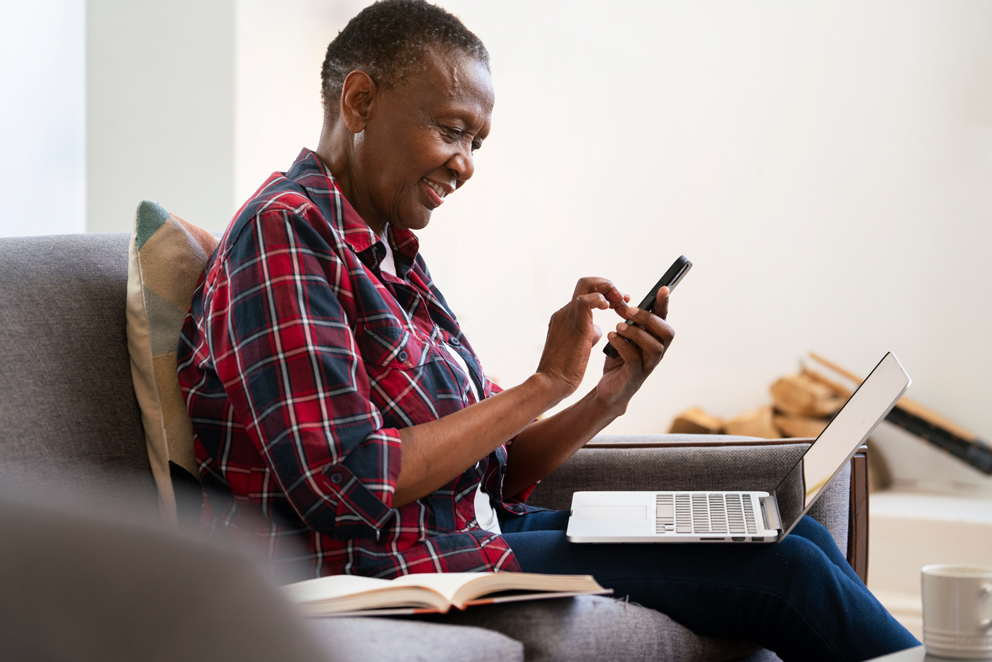
How to Protect Yourself When Buying or Selling Online
Buying and selling items online has become a normal part of everyday life. Most transactions are simple and safe, but some people use these platforms to deceive others. Taking a few careful steps can help you protect your money, your personal information and your safety.
Why buying and selling online can be dangerous
Online marketplaces create opportunities for both genuine buyers and sellers, as well as people looking to scam others. These scams can involve fake payments, false listings or attempts to gather personal details. Understanding common risks helps you make safer choices.
Warning signs and common risks
Unrealistic prices
If something is priced far below what it is usually worth, it may be a sign of a scam. Scammers often use low prices to pressure buyers into acting quickly.
Requests for unusual payments
Be cautious if someone asks you to pay by wire transfer, gift cards, cryptocurrency or any method that cannot be reversed. These approaches are often used to avoid detection.
Last-minute changes
A buyer or seller suddenly changing the meeting place, asking to switch platforms, or requesting your personal information can be a red flag.
Pressure to act quickly
Scammers sometimes create urgency, claiming that “many others are interested” or that the item must be sold immediately. This can push you into skipping safety checks.
Suspicious profiles
New accounts, limited activity or profiles that avoid answering basic questions may signal risk.
How to stay safe and prevent harm
Use secure platforms
Whenever possible, keep communication and payments within the official marketplace. Many platforms offer built-in protections that don’t apply when you switch to private messaging.
Protect your personal information
You never need to share your home address, financial details or identification with another user. Provide only the information needed to arrange the transaction.
Meet in a public place
Choose a well-lit, busy location such as a café or a public parking area. Some communities offer “safe exchange zones” monitored by CCTV.
Bring someone with you
If you are meeting in person, having another adult with you can add an extra layer of safety.
Check items carefully
Take your time to inspect what you are buying before handing over money. If the seller refuses to let you see the item before payment, walk away.
Use secure payment methods
For buyers, use trusted payment systems that offer protection. For sellers, confirm that payments have fully cleared before handing over an item.
Trust your instincts
If something feels off, whether that’s the messages, the price or the behaviour, it is safer to stop the transaction.
When to contact the police
If someone threatens you, tries to steal from you or attempts to lure you into an unsafe situation, call 911 immediately. You should also contact police if you believe you are in immediate danger or if a crime is taking place.
Report crime anonymously
If you have information about online scams or suspicious behaviour but do not want to identify yourself, you can report it anonymously to Crime Stoppers Bermuda. No personal details are collected, stored or traced, and your information is passed to law enforcement safely.
Call 800-8477 or use our online form to report a crime anonymously.